
Hey Gardeners!
Let’s talk about growing carrots—a journey that’s been both humbling and rewarding. I’m not a gardening expert, but I’ve learned a lot from trial and error and a bit of determination. Last year? Total flop. This year? So much better, and I’m excited to share what worked for me.
My First Attempt at Growing Carrots
Last spring, I gave carrots a try for the first time. I tossed some seeds into a grow bag, crossed my fingers, and hoped for the best. I planted them in late March and pulled them up in July. The result? The tiniest carrots I’d ever seen—more like baby roots than real carrots! Germination took forever (or at least it felt that way), and I honestly wasn’t sure if the delay was because of me or the weather. It was probably a bit of both.
One big mistake I made: I didn’t know that carrots need loose, well-draining soil to develop properly. Compact or heavy soil makes it hard for the roots to grow long and straight.


This Year’s Improvements
I made some changes this year, and wow—what a difference!
- Location swap: I planted the carrots in one of my raised beds instead of a grow bag.
- Soil adjustment: I mixed in some sand to loosen the soil, which helps the carrot roots expand more easily.
- Better fertilizer choices: I avoided fertilizers high in nitrogen. Too much nitrogen encourages leafy green tops but stunts root development. Since carrots are root vegetables, balanced or low-nitrogen fertilizer is key.
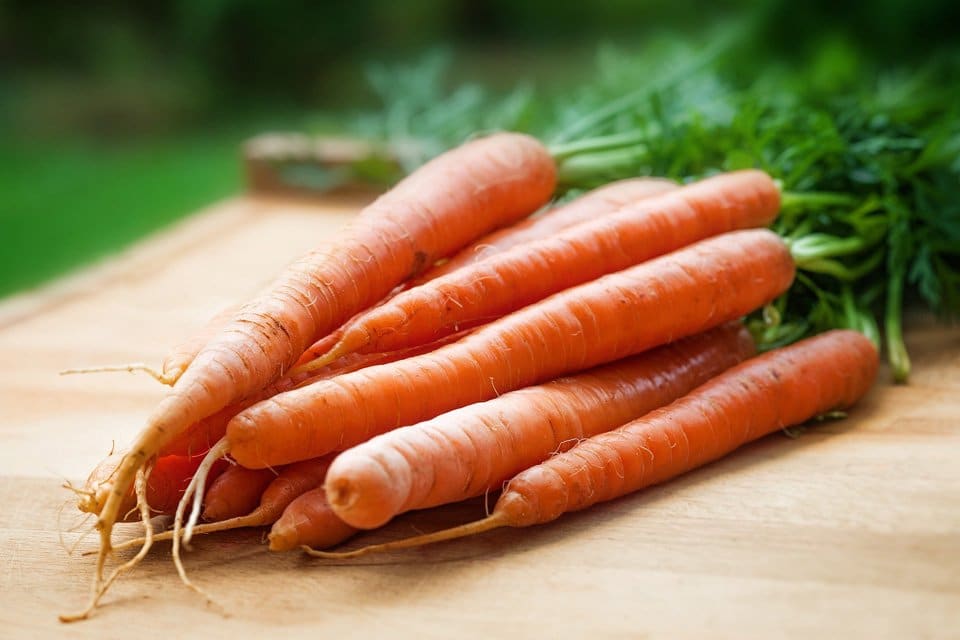
This year I grew Scarlet Nantes and Koral Giant carrots. While they weren’t gigantic, they were a big step up from last year’s harvest. I’m genuinely proud of the progress—especially as someone learning as I go!


Growing Carrots: What You Should Know
- Best time to plant: Carrots thrive in cool weather. Sow seeds in early spring (as soon as the soil is workable) or in late summer for a fall harvest.
- Soil matters: Loose, sandy, well-drained soil is best. Avoid clay-heavy or compacted soil.
- Spacing: Thin seedlings to avoid overcrowding. This gives each carrot space to grow.
- Watering: Keep soil consistently moist, especially during germination.
- Patience required: Carrots can take 60–80 days to mature, depending on the variety. Be sure to check the seed packet for specifics. For more information on growing carrots, you can check it out at The Old Farmer’s Almanac.
What’s Next?
Because carrots actually get sweeter after a light frost, I plan to start a second round of seeds in late August or early September for a fall harvest. This time, I’m hoping for even better results.
Gardening is all about learning, adjusting, and celebrating the small wins. If you’re thinking about growing carrots, don’t worry if your first try isn’t perfect. With a few tweaks, your next harvest could surprise you like mine did!
Leave a Reply